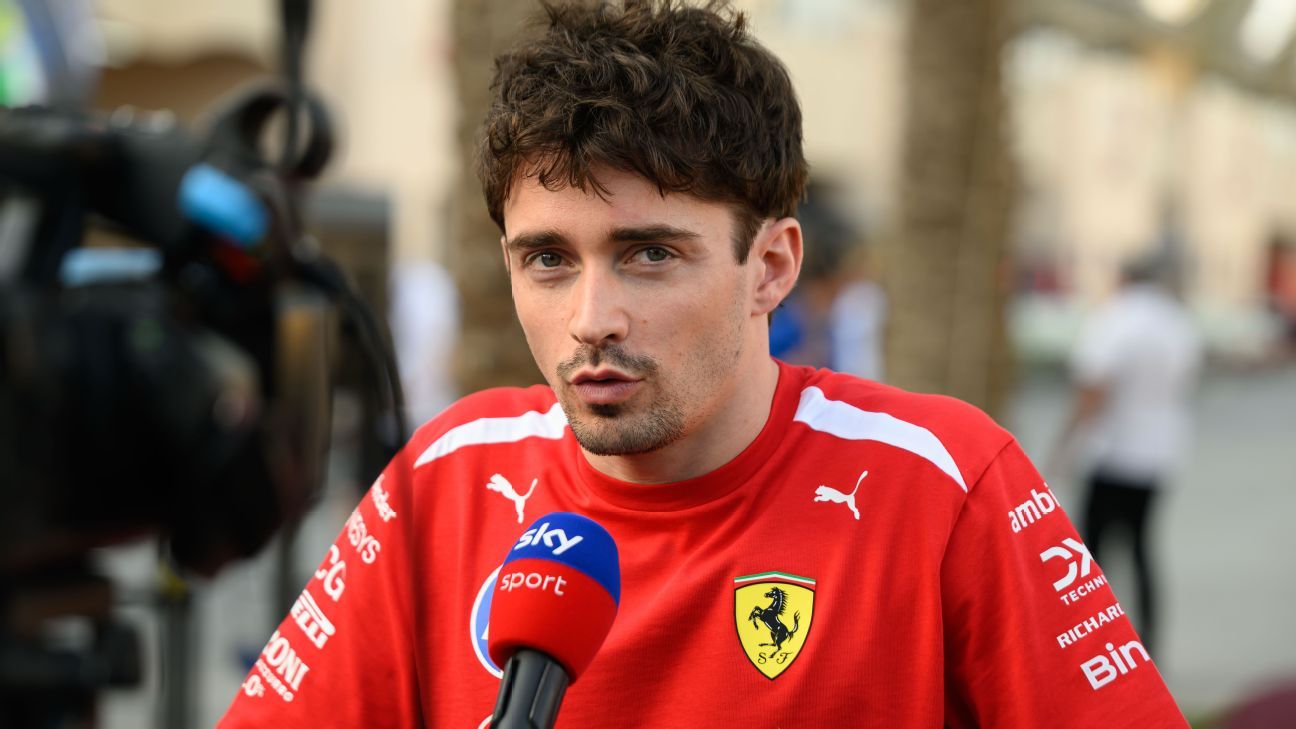
As Formula 1 introduces new regulations aimed at improving racing quality, a growing number of drivers are voicing concerns about their potential impact on overtaking. Among them, Charles Leclerc has been vocal about the possibility that these changes could make passing other cars more difficult during races.
The new rules, which focus on car aerodynamics and technical specifications, are designed to promote closer racing and reduce aerodynamic disturbances. However, drivers argue that these modifications might have unintended consequences, such as reducing the ability to follow closely and overtake effectively.
Leclerc and several of his peers have expressed worries that the regulations could lead to more stagnant races, where overtaking becomes a rare event. This concern stems from the fact that the current regulations may diminish the aerodynamic wake that allows cars to slipstream and pass one another more easily.
Team engineers and strategists are also analyzing the potential effects of the new rules, trying to determine whether they will indeed hinder overtaking or if adjustments can be made to mitigate these issues. Some believe that the regulations could require further refinement to balance safety, competitiveness, and entertainment value.
In response, FIA officials have stated that the regulations are intended to enhance racing and that ongoing adjustments and feedback from drivers and teams will be considered. They emphasize that the ultimate goal is to create a more competitive and exciting sport for fans worldwide.
As the season progresses, all eyes will be on how these rule changes influence race dynamics. If overtaking remains limited, it could lead to calls for further modifications to ensure that Formula 1 maintains its reputation for thrilling, action-packed races.
Ultimately, the debate highlights the challenge of balancing technical innovation with the fundamental aspects of racing that fans and drivers cherish. The coming races will be critical in determining whether the new regulations achieve their intended goals or if further adjustments are necessary to foster more overtaking opportunities on the track.